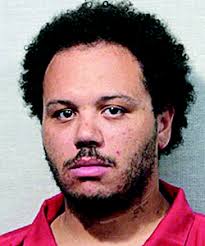
“Jade Colvin Is Missing”: 48 Hours Reports on The Murder of an Iowa Teenager and the Conviction of James Bachmurski Sr. November 28 2026
CBS’s 48 Hours examines the disappearance and murder of Jade Colvin in “Jade Colvin Is Missing,” airing Saturday, November 28, 2026, at 9/8c. Correspondent Natalie Morales reports on the investigation into the disappearance of an Iowa teenager whose case remained unresolved for years until detectives discovered evidence on an abandoned cellphone.
The episode, which premiered on April 18, 2026, explores Jade’s childhood, her experiences in foster care, her disappearance from a rural Iowa farm in March 2017 and the investigation that resulted in the conviction of James Bachmurski Sr., a man who had been in a relationship with her mother.
The case presented prosecutors with a challenge. Investigators had no body, murder weapon or DNA evidence establishing how Jade died. Instead, they constructed a case using digital communications, photographs, witness statements and Bachmurski’s own words during interviews with law enforcement.
On September 2, 2025, a Winneshiek County jury found Bachmurski guilty of second-degree murder. He received a 50-year prison sentence, but Jade’s remains have never been recovered.
Who Was Jade Colvin?
Jade Colvin was an Iowa teenager whose childhood was marked by family instability and involvement with the state’s foster care system. Her parents, LaDawn and Kevin Colvin, struggled with substance abuse, creating circumstances that affected their ability to provide a stable home for their daughter.
Despite those difficulties, Jade’s friends remembered her as a cheerful and affectionate young woman. Her friend Dainlynn Greer and Greer’s mother, Jamee Koopman, described a teenager who maintained a positive outlook despite the challenges surrounding her family.
Jade developed close friendships and maintained contact with people through social media. Her aunt, Tandra Brus, offered her support and encouraged her to reach out whenever she needed assistance.
Those relationships became important to the investigation following Jade’s disappearance. Her pattern of communicating with friends and relatives helped detectives recognise that the disappearance in March 2017 differed from her previous experiences as a runaway.
Jade Colvin Entered Foster Care in 2015
In September 2015, when Jade was 13 years old, the Iowa Department of Human Services intervened in her family situation. Authorities determined that her mother could not provide the care she required, resulting in LaDawn losing custody of her daughter.
Jade spent the following nine months moving between foster homes and residential facilities. She struggled with the separation from her mother and ran away from placements on several occasions.
LaDawn wanted to reunite with her daughter despite the restrictions imposed by the state. According to investigators, she arranged for Jade to stay with friends and relatives to prevent authorities from returning her to foster care.
The arrangements created a situation in which Jade moved between households without a permanent residence. Her aunt recalled that Jade changed her appearance to avoid recognition, making it difficult for authorities to locate her.
Her history of running away would become a significant factor in the murder investigation. It provided a potential explanation for her disappearance while complicating efforts to determine whether she had become the victim of a crime.
Jade Colvin Was Reported Missing in June 2016
On June 10, 2016, Jade ran away from a shelter for troubled youth in Iowa. She was 14 years old when authorities reported her missing.
The Iowa Department of Human Services lost track of her whereabouts. Given her previous experiences of running away, relatives and friends believed she might return or contact someone once she found a place to stay.
Investigators would discover that Jade had spent several months in Arizona following her departure from the shelter. Her social media communications established that she remained in contact with friends and her mother during this period.
Her disappearance from the shelter in June 2016 was therefore distinct from the disappearance that led to her murder prosecution. Evidence established that Jade survived beyond the original missing person report and returned to Iowa in March 2017.
That distinction became essential to reconstructing the timeline of her final known movements.
LaDawn Colvin’s Relationship With James Bachmurski Sr.
While Jade was living outside the foster care system, her mother began a relationship with James Bachmurski Sr., a man who owned a farm near Decorah in northeastern Iowa.
LaDawn and Bachmurski met online and developed a romantic relationship. Investigators learned that LaDawn spent time at his property and had lived with him during part of their relationship.
Bachmurski had two sons, Bryan and James Jr. His rural property became part of LaDawn’s plan to provide her daughter with accommodation while keeping her away from the foster care system.
LaDawn was dealing with legal matters that prevented her from establishing a permanent home with Jade. She arranged for her daughter to stay at Bachmurski’s farm while she attempted to resolve those issues.
Voice messages recovered during the investigation revealed that LaDawn hoped the arrangement would allow Jade to remain outside foster care until she reached adulthood or could return to her mother’s custody.
Jade Returned to Iowa in March 2017
Social media messages from March 2017 established that Jade was preparing to leave Arizona and return to Iowa.
She informed friends that her mother intended to collect her and that she expected to be back in Iowa within days. The messages demonstrated that Jade remained in communication with people she trusted and had plans for her future.
LaDawn brought Jade to Bachmurski’s farm near Decorah. Photographs recovered during the investigation showed mother and daughter together at the property.
LaDawn departed from the farm, leaving Jade in the care of Bachmurski and his household. The arrangement was intended to provide temporary accommodation while LaDawn addressed her legal circumstances.
Instead, the farm became the focus of a homicide investigation after Jade disappeared and ceased communicating with everyone who knew her.
Jade Colvin’s Final Days in Decorah
During her stay at the farm, Jade developed a friendship with Bachmurski’s son Bryan, who was 19 years old at the time.
The pair visited a Pizza Ranch restaurant in Decorah, where they shared a meal and took photographs together. The images showed Jade smiling and spending time with Bryan.
Photographs taken the following day documented a gathering at the farm that included a bonfire. Investigators would identify those images among the last known photographs of Jade.
Authorities established that Jade’s last known public sighting occurred at a Decorah Walmart on March 29, 2017. Her communications with Bryan continued into the early hours of March 30.
The photographs and messages provided investigators with a record of Jade’s activities during the days preceding her disappearance. They also helped establish which members of the Bachmurski household had contact with her.
What Happened to Jade Colvin on March 30, 2017?
During the early hours of March 30, 2017, Jade exchanged text messages with Bryan Bachmurski while he was working an overnight shift at Walmart.
The messages contained the type of conversation investigators would expect between friends. Jade asked Bryan about his work and discussed speaking with him during his break.
When Bryan attempted to resume their conversation, he received no response. Investigators determined that Jade’s communications ceased during this period.
Her disappearance extended beyond unanswered text messages. Her activity across Facebook, Instagram and Snapchat stopped, leaving no subsequent digital record of her whereabouts.
Although Jade had a history of running away, investigators recognised that she had maintained contact with friends during previous absences. The disappearance of her entire digital presence represented a departure from that pattern.
The precise circumstances of her death remain unknown. Prosecutors established that Bachmurski murdered her, but the absence of her remains prevented authorities from determining the method of killing.
James Bachmurski Claimed Jade Had Run Away
Following Jade’s disappearance, LaDawn attempted to establish what had happened to her daughter.
Investigators interviewed a friend who had driven LaDawn to the farm so she could confront Bachmurski. According to that witness, Bachmurski claimed Jade had run away from the property.
The explanation appeared consistent with Jade’s previous experiences in foster care. However, her continued absence and lack of communication raised questions that became significant during the murder investigation.
Bachmurski did not contact law enforcement to report that the teenager had disappeared from his property. Prosecutors would draw attention to that omission during his trial.
LaDawn continued searching for Jade and published appeals on social media. Her messages expressed distress about her daughter’s absence and asked Jade to contact someone who could confirm her safety.
Jade’s Family Spent Years Searching for Her
Jade’s friends and relatives continued attempting to locate her after her disappearance from Decorah.
They published birthday messages, appeals for information and requests for Jade to contact them. Jamee Koopman maintained hope that Jade would return once she reached an age at which the foster care system could no longer control her living arrangements.
LaDawn published messages expressing her grief and desire to reunite with her daughter. A September 2018 appeal described the emotional impact of Jade’s disappearance and asked her to contact someone.
LaDawn died in 2019 without learning what had happened to Jade. Investigators noted that Jade did not attend her mother’s funeral or contact relatives following her death.
When Jade reached her 18th birthday without making contact, her friends became concerned that she had not survived. The explanation that she was avoiding foster care no longer accounted for her continued silence.
Operation Homecoming Reopened the Search for Jade Colvin
The United States Marshals Service adopted Jade’s missing person case through Operation Homecoming, a statewide initiative focused on locating missing children.
In 2022, Des Moines Police Department Detective Cheryl Nablo joined Deputy U.S. Marshal Justin Wallace in the investigation. Detective Chris Wuebker of the Winneshiek County Sheriff’s Office and Special Agent Jon Turbett of the Iowa Division of Criminal Investigation became members of the investigative team.
The investigators began reconstructing Jade’s childhood, family relationships, friendships and movements following her disappearance from the shelter in 2016.
They examined missing person reports, interviewed people who knew Jade and sought information from organisations involved in locating missing children.
The investigation generated tips from across the United States. Reports of possible sightings came from states including Minnesota, Massachusetts, Oklahoma and Texas.
A hospital worker in Red Wing, Minnesota, reported seeing a young woman who resembled Jade. Nablo obtained surveillance footage and investigated the sighting, establishing that the woman was someone else.
Social Media Records Led Investigators to the Bachmurski Farm
A breakthrough came when Detective Nablo obtained search warrants providing access to Jade’s social media accounts.
Messages from March 2017 revealed that Jade had been living in Arizona and that her mother intended to bring her back to Iowa. The communications established a timeline that extended beyond the original missing person report.
Investigators obtained access to LaDawn’s accounts and discovered references to Decorah and a man named James. They identified him as James Bachmurski Sr.
Voice messages from LaDawn provided further evidence concerning the arrangement for Jade to stay at his farm. The communications established that the placement was part of her mother’s attempt to reunite with her daughter.
The discovery shifted the investigation towards Winneshiek County. Federal investigators contacted local law enforcement and sought assistance locating and interviewing members of the Bachmurski family.
Investigators Questioned Bryan and James Bachmurski Jr.
Detectives identified Bachmurski’s two sons as potential sources of information about Jade’s disappearance.
Bryan confirmed that Jade had stayed at the farm and described their visit to Pizza Ranch. He told investigators that he had communicated with her during his overnight shift at Walmart before she stopped responding.
Investigators questioned whether Bryan had disclosed everything he knew about Jade’s disappearance. His account required independent verification before authorities could exclude him from the investigation.
Detectives established that James Bachmurski Jr. was not living in the area when Jade stayed at the farm. He had not been present at the property with her, providing investigators with an alibi.
Bryan’s account would receive corroboration through employment records and messages recovered from an old cellphone. Investigators excluded both sons as suspects, concentrating their attention on their father.
Investigators Searched the Former Bachmurski Farm
When detectives visited the property in 2022, James Bachmurski Sr. no longer lived there. He had moved away from Iowa, and the farmhouse had undergone renovations under its new owners.
The owners permitted investigators to examine the property. However, the passage of time and alterations to the building limited the potential for recovering physical evidence from 2017.
Detectives searched the area without finding Jade’s remains or evidence establishing how she had died.
The investigation required authorities to reconstruct events that had occurred years before their arrival. Witness statements, digital records and possessions associated with the former occupants became essential to that process.
Special Agent Jon Turbett concluded that the evidence warranted treating Jade’s disappearance as a homicide investigation rather than a missing person case.
James Bachmurski Sr. Was Located in Georgia
Investigators learned that Bachmurski had relocated to Georgia following his departure from Iowa.
Special Agent Turbett travelled to Georgia to interview him about his relationship with LaDawn and the circumstances surrounding Jade’s stay at the farm.
Bachmurski agreed to speak with the investigator and acknowledged that Jade had lived at his property. He confirmed that LaDawn had arranged the placement to prevent her daughter from returning to foster care.
During the interview, Bachmurski made references to an event in Iowa that had affected his life. He also expressed concern about whether his sons had been involved in what had happened.
Bachmurski maintained that Jade had disappeared from the farm while he was away from the property. He denied knowing her whereabouts.
The interview raised questions for Turbett, but investigators required additional evidence to challenge Bachmurski’s explanation.
An Abandoned Cellphone Changed the Investigation
After Turbett returned from Georgia, investigators continued examining Bachmurski’s former possessions and speaking with people connected to the Iowa farm.
A neighbour informed detectives that Bachmurski had left belongings in a barn when he departed the area in 2018. Among those possessions was an old cellphone stored in a box.
The device belonged to James Bachmurski Sr. and contained photographs and communications dating to Jade’s stay at the property in March 2017.
Investigators recovered photographs showing Jade with her mother and Bryan. The images helped confirm the timeline established through witness interviews and social media records.
The phone also contained evidence concerning Jade’s final communications and the condition of Bachmurski’s home in the days following her disappearance.
The discovery provided detectives with a record of events that had remained inaccessible throughout the preceding years.
Cellphone Messages Established Bryan Bachmurski’s Alibi
Among the communications recovered from the phone were the text messages exchanged between Jade and Bryan during his overnight shift at Walmart.
The messages confirmed Bryan’s account of their conversation and established that Jade had been using his father’s phone to communicate with him.
Investigators compared the messages with Bryan’s employment records. His Walmart timesheets corroborated his statement that he had been working when Jade stopped responding.
The evidence allowed detectives to exclude Bryan as a suspect and concentrate on his father.
It also established that Jade had intended to continue communicating with Bryan. Investigators considered that intention inconsistent with the suggestion that she had decided to abandon her relationships and disappear without contacting anyone.
Deleted Messages Raised Questions About Bachmurski’s Conduct
The examination of Bachmurski’s cellphone revealed deleted communications involving members of Jade’s family.
Among those messages were appeals from LaDawn asking Bachmurski to tell Jade that she loved her and wanted to speak with her daughter.
Investigators questioned why Bachmurski had removed communications concerning a missing teenager who had been staying at his property.
Special Agent Turbett interpreted the deletions as evidence that Bachmurski had removed information relevant to the investigation.
The deleted messages did not establish the circumstances of Jade’s death on their own. However, prosecutors considered them significant when combined with Bachmurski’s failure to report her disappearance and the other evidence recovered from his phone.
Two Photographs Became Central to the Murder Case
Among the images recovered from Bachmurski’s cellphone were photographs of his kitchen and bedroom taken on April 1, 2017, two days after Jade stopped communicating with Bryan.
The photographs attracted the attention of investigators because they depicted rooms in a condition that differed from descriptions provided by people familiar with the household.
Another photograph taken on June 5, 2017, showed Bachmurski’s sons in the bedroom. Detectives identified differences in the furnishings and condition of the room.
Investigators suspected that the changes documented in the photographs were connected to Jade’s disappearance. Bachmurski suggested that he had been considering selling or leasing the property, but authorities questioned whether that explanation accounted for the evidence.
The photographs became part of the prosecution’s circumstantial case. They did not provide direct proof of a killing, but investigators considered their timing and content significant alongside the other evidence.
A Second Interview With James Bachmurski Raised Further Suspicions
Armed with the evidence recovered from the cellphone, Turbett returned to Georgia to question Bachmurski for a second time.
During the interview, Bachmurski claimed he had been drinking and struggled to recall his previous conversation with the investigator. Turbett questioned the credibility of those statements because Bachmurski had provided detailed information during their first meeting.
The investigator confronted Bachmurski with the photographs and questioned him about the circumstances of Jade’s disappearance.
Bachmurski denied destroying evidence and maintained that he did not know what had happened to the teenager.
However, during the conversation, he made a statement indicating that he had decided to take the truth to his grave. Turbett regarded the remark as a significant indication that Bachmurski possessed knowledge he had withheld from investigators.
Although the statement did not constitute a detailed confession to murder, it became an important component of the prosecution’s case.
James Bachmurski’s Criminal History
Investigators discovered that Bachmurski had a history of criminal allegations and violence involving members of his household.
In 2013, he faced child endangerment charges involving his sons. He accepted a plea to a lesser assault offence and spent close to a year in custody.
Court documents contained allegations of abusive disciplinary practices against his children. His criminal history included a harassment charge.
Deputy U.S. Marshal Justin Wallace expressed the belief that LaDawn had been unaware of the extent of Bachmurski’s history when she entrusted Jade to his care.
Much of the information concerning his previous conduct was not presented to the jury during the murder trial. Prosecutors were required to establish his guilt through evidence relating to Jade’s disappearance and death rather than relying on his criminal history.
James Bachmurski Was Charged With Jade Colvin’s Murder in 2024
In August 2024, authorities charged James Bachmurski Sr. with second-degree murder in connection with Jade’s disappearance.
The charge came eight years after Jade had been reported missing from the Iowa shelter and more than seven years after her communications ceased in Decorah.
Assistant Iowa Attorney General Scott Brown believed the investigation had established a substantial body of circumstantial evidence connecting Bachmurski to Jade’s death.
The prosecution had photographs, text messages, deleted communications, witness statements and recordings of Bachmurski’s interviews with investigators.
However, authorities had not recovered Jade’s remains. The state would need to establish that she was dead, that her death resulted from a criminal act and that Bachmurski was responsible.
The announcement of the murder charge brought grief to Jade’s relatives, who had maintained hope that she might return.
The Murder Trial of James Bachmurski Sr.
Bachmurski’s murder trial began in Winneshiek County in August 2025.
Prosecutors presented evidence gathered during the investigation, including Jade’s social media activity, her final communications, the photographs recovered from Bachmurski’s cellphone and statements made during his interviews.
The state argued that Bachmurski was the last person known to have seen Jade alive and that his conduct following her disappearance was inconsistent with that of someone concerned about a missing teenager.
Prosecutors questioned why he had not contacted authorities when Jade disappeared and why communications from her family had been deleted from his phone.
The state also emphasised the absence of any subsequent contact between Jade and her friends. Prosecutors argued that her history of running away did not explain the disappearance of her digital presence or her failure to reconnect with loved ones after reaching adulthood.
The trial required jurors to assess the combined significance of evidence that did not include a body, a murder weapon or DNA connecting Bachmurski to a killing.
The Defence Argued That Jade Colvin Could Still Be Alive
Bachmurski’s defence challenged the prosecution’s ability to prove that a murder had occurred.
His attorneys emphasised the absence of Jade’s remains and the lack of forensic evidence establishing the circumstances of her death. They argued that the state had not demonstrated how or where she had been killed.
The defence also drew attention to Jade’s history of running away from foster care placements. That history provided an alternative explanation for her disappearance.
Prosecutors countered that Jade had maintained communication with friends during previous absences. Her silence following March 30, 2017, represented a change in behaviour that the state argued could not be explained by another attempt to run away.
Bachmurski did not testify during the trial. Jurors assessed his statements through recordings of his interviews with investigators and the evidence presented by both sides.
What Was the Motive for Jade Colvin’s Murder?
The prosecution did not establish a definitive motive for Jade’s murder.
Assistant Iowa Attorney General Scott Brown indicated that investigators had obtained some evidence suggesting Bachmurski was attracted to Jade. He referenced photographs of the teenager among the material examined during the investigation.
However, the absence of Jade’s remains and a detailed confession prevented investigators from establishing the events that preceded her death.
The evidence did not establish whether Jade experienced sexual violence or what circumstances led to the killing. Those questions remain unresolved.
Prosecutors were not required to establish a motive to secure a second-degree murder conviction. Their responsibility was to prove the elements of the offence beyond a reasonable doubt.
James Bachmurski Was Found Guilty of Second-Degree Murder
On September 2, 2025, following six days of testimony, a Winneshiek County jury found James Bachmurski Sr. guilty of second-degree murder.
Jurors reached their verdict after several hours of deliberations. They accepted the prosecution’s circumstantial case despite the absence of Jade’s remains and direct forensic evidence establishing the method of killing.
The verdict represented a significant achievement for the investigators who had spent years reconstructing Jade’s movements and examining the evidence connected to Bachmurski.
For Jade’s aunt, Tandra Brus, the conviction provided the accountability she had sought throughout the investigation.
The verdict established Bachmurski’s criminal responsibility for Jade’s death, but it did not resolve the questions concerning the location of her remains or the circumstances of the murder.
James Bachmurski Was Sentenced to 50 Years in Prison
Following his conviction, Bachmurski received a 50-year prison sentence for second-degree murder.
He was reported to be 67 years old at the time of the 48 Hours investigation in April 2026. Given his age and the length of the sentence, he faces the prospect of spending the remainder of his life in prison.
The conviction brought a legal conclusion to the murder prosecution, which had developed from a missing person investigation involving multiple law enforcement agencies.
Bachmurski’s sentence should not be confused with life imprisonment without parole. The court imposed a 50-year term, and his release eligibility is subject to Iowa sentencing and correctional requirements.
As of the November 2026 broadcast, the reported outcome of the case remains his second-degree murder conviction and 50-year prison sentence.
Has Jade Colvin’s Body Ever Been Found?
Despite the conviction of James Bachmurski Sr., Jade Colvin’s remains have not been recovered in the available case reporting.
Investigators believe she was murdered following her disappearance from the Decorah farm in March 2017. However, authorities have been unable to determine where her body is located.
The absence of her remains has prevented her family from arranging a burial and has left investigators without answers concerning the precise circumstances of her death.
Detective Chris Wuebker and Detective Cheryl Nablo have expressed their commitment to continuing the search. They regard the murder conviction as one part of the investigation rather than the conclusion of their responsibility to Jade.
Her aunt has appealed for anyone with information concerning Jade’s whereabouts to contact authorities so the family can recover her remains and provide her with a burial.
Remembering Jade Colvin Beyond Her Murder
Jade’s friends and relatives have sought to ensure that her experiences in foster care and the circumstances of her disappearance do not define her identity.
Dainlynn Greer remembered a friend who maintained a cheerful disposition despite the difficulties surrounding her childhood. Jamee Koopman continued honouring Jade through conversations and messages throughout the years she was missing.
Her aunt, Tandra Brus, remembers Jade through photographs and memories of happier periods in her life. The family continues to grieve for a teenager whose future was taken from her.
Jade’s case demonstrates the vulnerability of children experiencing family instability and repeated disruptions to their living arrangements. Her history of running away complicated the investigation, but it did not diminish her right to protection or the importance of locating her.
The investigators who pursued her case have emphasised that her circumstances did not make her responsible for the crime committed against her.
48 Hours Examines the Jade Colvin Murder Case
“Jade Colvin Is Missing” brings together the investigators, prosecutors, friends and relatives involved in the search for Jade and the prosecution of James Bachmurski Sr.
Correspondent Natalie Morales interviews Detective Cheryl Nablo, Deputy U.S. Marshal Justin Wallace, Detective Chris Wuebker and Special Agent Jon Turbett. Assistant Iowa Attorney General Scott Brown discusses the challenges of prosecuting a murder without recovering the victim’s remains.
The programme also features Jade’s aunt, Tandra Brus, her friend Dainlynn Greer and Jamee Koopman, providing insight into Jade’s childhood, personality and relationships.
The investigation demonstrates how cooperation between law enforcement agencies, digital evidence and witness interviews can establish criminal responsibility in a homicide case without a body.
James Bachmurski Sr. received a 50-year prison sentence for Jade’s murder, but the search for her remains continues to represent unfinished work for the investigators and her family.
48 Hours: “Jade Colvin Is Missing” airs Saturday, November 28, 2026, at 9/8c on CBS, with streaming availability through Paramount+.