


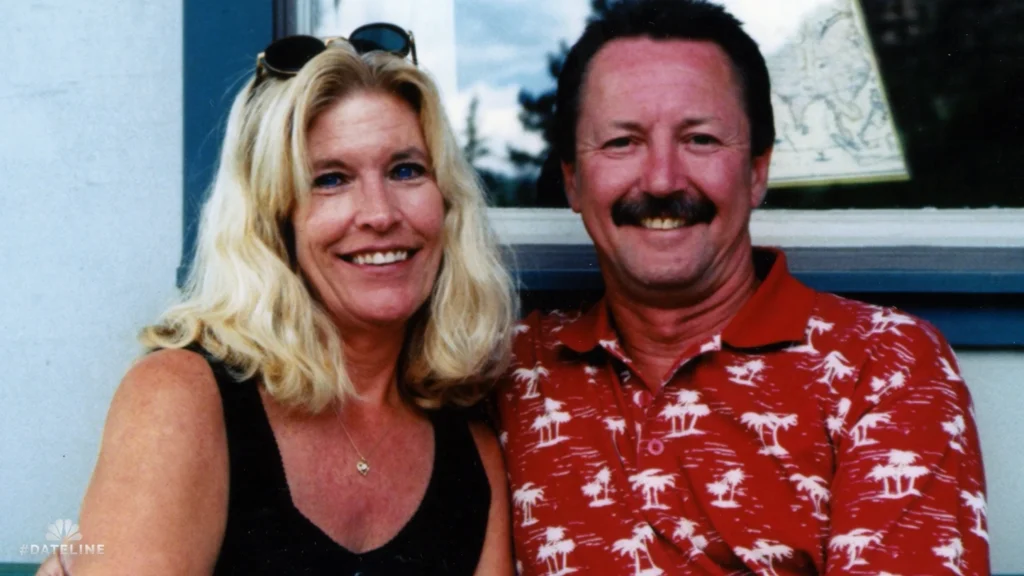
Mike Sisco was a Kansas father whose life ended in a double homicide that would become one of the state’s longest-running and most complex murder investigations. On July 7, 2002, Sisco and his fiancée, Karen Harkness, were found shot to death inside Harkness’ home in Topeka, launching a criminal case that would span more than two decades, involve three murder trials and remain in the national spotlight through extensive coverage by 48 Hours.
Although the legal proceedings often centered on the prosecution of Dana Chandler, Sisco’s former wife, his family has repeatedly emphasized that the focus should remain on the lives that were lost. His children, relatives and loved ones spent more than twenty years seeking justice while enduring repeated court appearances, appeals and retrials.
- “My Mother’s Murder Trials”: 48 Hours Investigates the Dana Chandler Case on July 11 2026
- Who Is Dana Chandler & Where Is She Now? 2026 Update & Profile
- Who Was Karen Harkness & What Happened to Him? 2026 Update & Profile
A Father and Family Man
Mike Sisco was 47 years old at the time of his death. He had previously been married to Dana Chandler, and together they had two children, Hailey Seel and Dustin Sisco.
Following the end of their marriage, Sisco became involved in a lengthy and often contentious custody dispute with Chandler. Court records and testimony presented during the trials described years of legal disagreements and personal conflict after the divorce. Prosecutors later argued that these disputes became an important part of the motive behind the murders, while the defense disputed that conclusion.
Despite the ongoing legal battles, Sisco maintained close relationships with his children. As adults, both Hailey and Dustin would become key witnesses during the murder trials, ultimately testifying that they believed their mother was responsible for killing their father.
His Relationship With Karen Harkness
By 2002, Mike Sisco was engaged to Karen Harkness, and the couple were building a life together in Topeka, Kansas.
Friends and family described the relationship as an important new chapter following Sisco’s divorce. Prosecutors later argued that the seriousness of Sisco’s relationship with Harkness became a source of resentment for Dana Chandler, who they alleged remained fixated on her former husband years after their marriage had ended.
Karen Harkness was also well known and respected by those close to her. Her death alongside Sisco meant that two families would spend decades waiting for a final resolution to the case.
The Murders That Changed Everything
During the morning of July 7, 2002, police responded to Karen Harkness’ residence in southwest Topeka after concerns were raised about the couple’s welfare.
Inside the home, officers discovered Mike Sisco and Karen Harkness dead in bed. Both had been shot multiple times with a 9mm handgun in what investigators determined was a deliberate double homicide.
Authorities found no evidence of a burglary or robbery, leading detectives to conclude that the victims had likely been targeted. Although investigators conducted an extensive search, the murder weapon was never recovered, and no DNA, fingerprints or other forensic evidence directly identified the killer.
A Long Search for Justice
The investigation quickly focused on Dana Chandler because of her history with Sisco and the couple’s contentious divorce. Even so, prosecutors initially concluded there was not enough evidence to bring criminal charges.
For nearly nine years, Mike Sisco’s family waited as investigators continued reviewing evidence and conducting interviews. During that period, relatives worked closely with law enforcement and also pursued their own efforts to uncover additional information that might help solve the case.
The investigation eventually gained new momentum after a change in leadership at the Shawnee County District Attorney’s Office. In 2011, prosecutors determined there was sufficient evidence to charge Dana Chandler with two counts of first-degree murder, beginning a legal process that would include three separate jury trials over the following fourteen years.
Three Trials Before a Final Verdict
The first trial ended in 2012 when a jury found Dana Chandler guilty of murdering Mike Sisco and Karen Harkness. That conviction initially appeared to conclude the case, but it was overturned six years later after the Kansas Supreme Court ruled that prosecutorial misconduct had denied Chandler a fair trial.
A second trial took place in 2022 but ended without a verdict after jurors were unable to reach a unanimous decision. The deadlocked jury prolonged the legal process and required prosecutors to decide whether to pursue the case again.
The third trial began in February 2025 after the venue was moved to neighboring Pottawatomie County. Chandler dismissed her attorneys immediately before opening statements and represented herself throughout the proceedings. Following nearly four hours of deliberation, the jury convicted Chandler of two counts of first-degree murder, bringing the lengthy prosecution to its conclusion more than twenty-two years after Mike Sisco’s death.
Remembering the Victims
Throughout the legal proceedings, Mike Sisco’s family consistently reminded the public that the story was about more than courtroom battles and appeals.
After the final conviction, his daughter, Hailey Seel, said she believed attention had shifted too heavily toward Dana Chandler and away from the people whose lives had been taken. She expressed hope that Mike Sisco and Karen Harkness would once again become the focus, along with the families who had spent decades living with the consequences of the murders.
The convictions resulted in Dana Chandler receiving two consecutive life sentences, with parole eligibility after fifty years, subject to credit for time already served. Chandler continues to maintain her innocence and is pursuing appeals, but for Mike Sisco’s family, the 2025 verdict marked the conclusion of a legal journey that had begun with the murders on a summer morning in 2002.
More than twenty years after his death, Mike Sisco remains remembered not only as the victim in one of Kansas’ most closely watched murder cases, but also as a father whose children endured decades of uncertainty while seeking justice for the loss of their father.
More “My Mother’s Murder Trials”
- “My Mother’s Murder Trials”: 48 Hours Investigates the Dana Chandler Case on July 11 2026
- Who Is Dana Chandler & Where Is She Now? 2026 Update & Profile
- Who Was Mike Sisco & What Happened to Him? 2026 Update & Profile
- Who Was Karen Harkness & What Happened to Him? 2026 Update & Profile
More Feature Articles
- “The Bluegrass Mystery”: Dateline NBC Reports on Ella Jackson Homicide July 10 2026
- “House of Cards”: 20/20 Reports on Angel Goyena & Vonda Goyena Homicides July 10 2026
- “Chameleon”: Dateline NBC Examines the Two Missing Wives of Convicted Killer John Smith July 11 2026
- “My Mother’s Murder Trials”: 48 Hours Investigates the Dana Chandler Case on July 11 2026
- 60 Minutes Reports on “The Vatican’s Orphans”, “Sealand” & “Christopher Nolan” on July 12 2026