


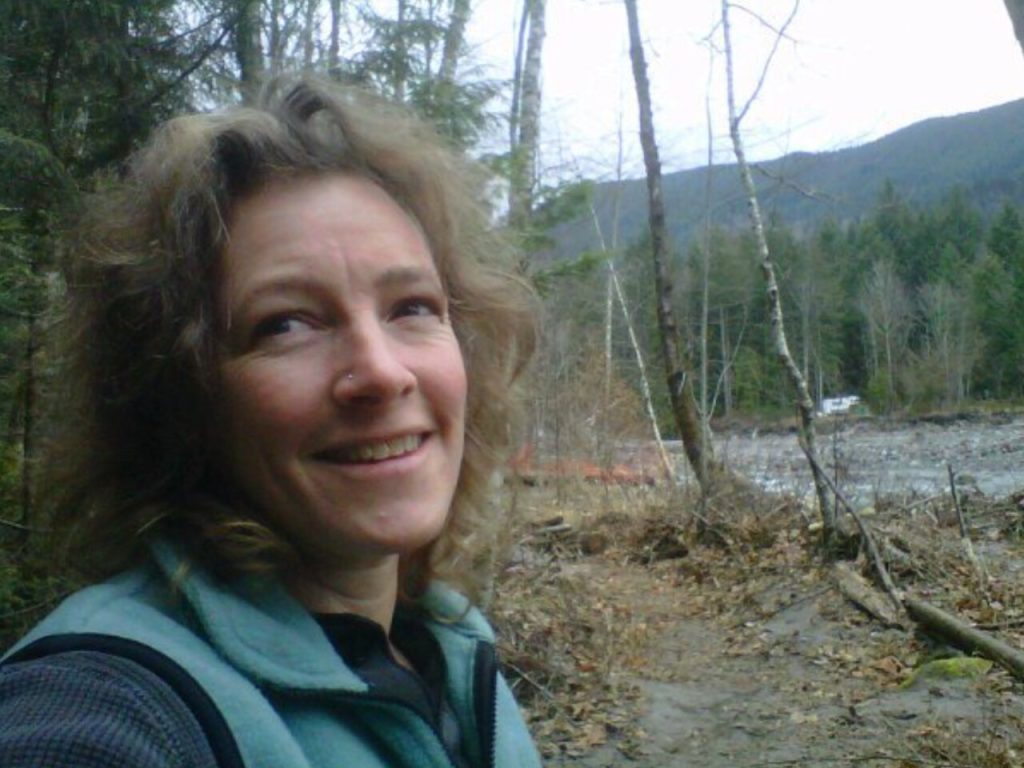
Susan “Phoenix” Lane was a 61-year-old Oregon mother whose life ended in November 2024, as she was preparing to leave her marriage of approximately 12 years. Known for her independent spirit, her devotion to her two sons and her love for her dogs, Lane lived in the mountain community of Brightwood, near Mount Hood, where friends and colleagues knew her as Phoenix.
Her murder is examined in 48 Hours: Murder at Mount Hood, airing Saturday, November 14, 2026, at 10/9c on CBS. Correspondent Peter Van Sant investigates Lane’s disappearance, the community search that uncovered her body and the evidence that led to the conviction of her husband, Michel Fournier.
Lane had filed for divorce on October 31, 2024, and served Fournier with divorce papers on November 20. According to prosecutors, she feared her husband and had begun taking precautions to protect her belongings, important documents and two dogs, Elrond and Elros.
She was last seen alive on November 21, 2024. When she failed to arrive at work the following day, friends and colleagues raised the alarm. Her two dogs had also vanished, and a search began across the forests and mountain roads surrounding Mount Hood.
For a week, volunteers and investigators searched for Lane. Her husband claimed that she had disappeared while he was away in Portland obtaining a vehicle part. Surveillance footage would contradict his account, showing him driving her truck with the dogs inside.
On November 29, a community member discovered Lane’s body concealed beneath a tarp approximately 400 yards from the home she shared with Fournier. Investigators determined that she had been shot three times with a .22-calibre rifle.
Fournier was arrested and charged with murder. In March 2026, a Clackamas County jury convicted him of second-degree murder and unlawful use of a weapon. The jury also determined that the killing constituted domestic violence.
He was sentenced to life imprisonment with the possibility of parole after 25 years. Separate animal abuse charges concerning the deaths of Lane’s dogs remained pending when his murder sentence was announced.
For Lane’s family and friends, the verdict ended the murder prosecution but could not restore the life of a woman whose disappearance had brought an entire mountain community together.
- “Murder at Mount Hood”: 48 Hours Reports on Susan “Phoenix” Lane’s Homicide November 14 2026
- Who Is Michel Fournier? The Oregon Man Convicted of Murdering His Wife Susan “Phoenix” Lane & Where Is He Now? 2026 Update
Who Was Susan “Phoenix” Lane?
Susan Marie Lane, who preferred to be called Phoenix, was a 61-year-old woman living in Brightwood, Oregon, when she was murdered in November 2024.
She worked at the Hoodland Bazaar in Welches, a small community along the Mount Hood corridor. Her employment made her a familiar presence among customers and colleagues who encountered her at the local business.
Lane was the mother of two sons, Jesse and Dakota Lane, and had a brother named Mike Lane. Her family and friendships formed an important part of her life.
Friends described her as a strong, independent woman who expressed her personality without concern for conventional expectations.
Cari Gesch, one of her close friends, remembered her as a woman who was not afraid to be herself. Those who knew Phoenix described a person with a distinct identity and a strong connection to the community.
Lane also shared a close bond with her two dogs, Elrond and Elros. The animals accompanied her on outdoor activities and were regarded as important members of her household.
Her disappearance alarmed friends because she was considered dependable and because her dogs were missing with her.
The investigation into her death would reveal that she had been taking steps to end her marriage and protect herself before she was killed.
Susan Lane’s Life in Brightwood, Oregon
Lane lived in Brightwood, an unincorporated community in Clackamas County, near the western slopes of Mount Hood.
The area is surrounded by forests, rivers and mountain roads, with communities connected by U.S. Highway 26.
Brightwood and neighbouring Welches are part of the Hoodland area, where residents live close to the Mount Hood National Forest.
Lane was familiar with the region and spent time outdoors with her dogs.
Her employment at the Hoodland Bazaar connected her with residents and visitors travelling through the area.
The business became an important part of the investigation when she failed to arrive for work on November 22, 2024.
Colleagues recognised that her absence was inconsistent with her normal behaviour and contacted authorities.
The community’s familiarity with Lane and the surrounding landscape would become significant during the search for her.
Friends and volunteers used their knowledge of the area to examine locations where she might have gone.
Their determination to find Phoenix would become a defining part of the case.
A Mother to Jesse and Dakota Lane
Lane was the mother of two sons, Jesse and Dakota.
Her children became central figures in the public account of her disappearance and murder.
Both participated in the 48 Hours investigation, sharing their perspectives on their mother’s life and the events that led to her death.
Their accounts provide a family perspective on a case that became the subject of a major criminal prosecution.
Lane’s brother, Mike Lane, also participated in the programme.
The family faced uncertainty after Phoenix disappeared and her dogs could not be located.
The discovery of her body transformed the search into a homicide investigation.
The criminal proceedings against Fournier brought the family into court as prosecutors presented evidence concerning the killing.
Dakota addressed Fournier during victim impact statements following the March 2026 verdict.
His statement reflected the anger and grief caused by the murder of his mother.
Susan Lane’s Friends Remember Her Independent Spirit
Lane developed close friendships within the Mount Hood community.
Among those who knew her were Sarah Caswell, Khristen Prudence and Cari Gesch, who became involved in the public account of her disappearance.
Friends described Phoenix as a woman who expressed her individuality and maintained strong personal connections.
They remembered her as someone whose absence was noticed when she failed to arrive at work.
Cari Gesch described her as fierce and independent during statements following the murder conviction.
Her remarks reflected the qualities friends associated with Lane before the crime.
The friendships became important when Lane disappeared because those who knew her questioned whether she had become lost while hiking.
Some believed the circumstances surrounding her marriage required examination.
Their concerns helped sustain the search and kept attention on the possibility that Phoenix had been harmed.
The friends would become part of the investigation and the subsequent 48 Hours programme.
Phoenix Lane’s Bond With Her Dogs Elrond and Elros
Lane was devoted to her two dogs, Elrond and Elros.
The animals were described as large Belgian Malinois mixes and were closely associated with her daily life.
Friends knew that Phoenix spent time outdoors with the dogs and regarded them as important companions.
Their presence was part of her routine in the Mount Hood area.
When Lane disappeared, both animals were missing.
The fact that all three had vanished raised concerns among those who knew her.
Investigators and volunteers searched for the dogs while attempting to locate Phoenix.
The initial possibility that she had become lost while hiking was considered during the missing-person investigation.
But friends questioned that explanation because of the circumstances surrounding her marriage and the unusual nature of her disappearance.
The dogs’ bodies were recovered after Lane was found dead, and their deaths became the subject of separate criminal allegations against Fournier.
Susan Lane’s Marriage to Michel Fournier
Lane had been married to Michel Fournier for approximately 12 years when she was murdered.
The couple lived together in Brightwood, near Mount Hood.
Their marriage had deteriorated, and Lane had begun taking steps to end the relationship.
Court documents showed that she filed for divorce on October 31, 2024, citing irreconcilable differences.
The filing stated that the marriage had suffered a breakdown that could not be repaired.
Lane and Fournier remained legally married at the time of her death.
Prosecutors argued that the impending divorce created a dispute over property and control.
The home where the couple lived was in Lane’s name, and the prosecution maintained that Fournier feared losing access to it.
The breakdown of the marriage became central to the prosecution’s explanation of the killing.
Why Susan Lane Wanted to Leave Her Husband
By autumn 2024, Lane had decided to end her marriage.
She filed for divorce on October 31, beginning the legal process of dissolving the relationship.
The filing cited irreconcilable differences, indicating that she believed the marriage could not be repaired.
Prosecutors described a relationship marked by conflict and concerns about her safety.
Lane had begun taking precautions involving her dogs, documents and personal belongings.
She brought important items to work rather than leaving them at the marital home.
Friends were aware that the relationship had deteriorated and that Phoenix was preparing to leave.
Those concerns became significant after she disappeared.
The prosecution argued that Fournier’s fear of losing the home provided a motive for murder.
The timing of the divorce proceedings became a central part of the criminal case.
The Precautions Phoenix Took Before Her Death
In the weeks preceding her murder, Lane began taking measures to protect her belongings.
According to prosecutors, she brought her dogs and important documents to work.
The precautions occurred while she was pursuing a divorce from Fournier.
They suggested that she was concerned about leaving certain belongings at the home they shared.
Friends described Phoenix as increasingly fearful of her husband.
The available information does not establish every incident that contributed to those concerns.
The precautions became important after her disappearance because they provided context for the breakdown of the marriage.
Investigators examined the information while reconstructing her final days.
The prosecution used the evidence to support its argument that the relationship had become a source of conflict.
Lane’s actions demonstrated that she had begun preparing for a life outside the marriage.
Susan Lane Files for Divorce in October 2024
Lane filed for divorce from Fournier on October 31, 2024.
The court documents cited irreconcilable differences and an irreparable breakdown of the marriage.
The filing began the legal process of ending a relationship that had lasted approximately 12 years.
It also raised questions concerning the division of property.
The home where the couple lived was in Lane’s name.
Prosecutors argued that Fournier was concerned about losing access to the property.
The divorce filing became important because of its timing.
Lane was murdered less than a month after beginning the proceedings.
The prosecution maintained that the breakdown of the marriage and dispute over the home provided a motive for the killing.
The jury would hear evidence concerning the divorce during Fournier’s murder trial.
Phoenix Serves Fournier With Divorce Papers
On November 20, 2024, Lane served Fournier with divorce papers.
The action followed her October 31 filing and represented a significant step towards ending the marriage.
The service occurred one day before Lane was last seen alive.
She disappeared during the period that followed.
Prosecutors argued that the divorce proceedings created a conflict over property and control.
The home the couple shared was in Lane’s name, and Fournier was concerned about losing it.
The timing of the papers became important during the investigation.
Lane was last seen on November 21 and was reported missing on November 22.
Investigators determined that she had been killed during that period.
The prosecution used the sequence of events to support its theory that the murder was connected to the impending divorce.
The Last Time Susan Lane Was Seen Alive
Lane was last seen alive on November 21, 2024.
She had served Fournier with divorce papers the previous day.
Her friends and colleagues knew that she was dealing with the breakdown of her marriage.
She had also begun taking precautions involving her belongings and dogs.
The following day, Lane failed to arrive at work.
Her absence was unusual enough that her employer contacted authorities.
Her two dogs were missing, adding to concerns about her whereabouts.
Investigators began examining whether she had left voluntarily, become lost in the surrounding wilderness or experienced harm.
Friends questioned whether the disappearance was consistent with her normal behaviour.
The investigation would establish that Lane had been killed rather than becoming lost during an outdoor excursion.
Susan Lane Reported Missing on November 22, 2024
Lane was reported missing on November 22, 2024, after failing to arrive at work.
Her employer recognised that the unexplained absence was inconsistent with her normal routine.
The disappearance prompted concern among relatives, friends and members of the Mount Hood community.
Her two dogs were also missing.
Authorities began gathering information about her last known movements.
The surrounding forests and mountain roads presented a large search area.
Initial reports considered the possibility that Lane had gone hiking with her dogs.
But friends questioned whether that explanation matched her behaviour and the circumstances surrounding her marriage.
The investigation expanded as search teams and volunteers attempted to locate her.
The search would continue for a week before her body was discovered.
The Search for Phoenix Around Mount Hood
The search for Lane involved law enforcement, search-and-rescue personnel and community volunteers.
Teams examined areas around Brightwood, Welches and the Mount Hood National Forest.
The landscape included wooded terrain, mountain roads and locations where a missing person could be difficult to find.
Searchers attempted to identify places Lane might have visited with her dogs.
Her familiarity with the region complicated the assumption that she had become lost.
Friends maintained that her disappearance was inconsistent with her normal behaviour.
The search involved people who knew Lane and were determined to find her.
Community members organised efforts beyond the initial law enforcement response.
Their persistence became significant because a volunteer would discover her body near the home she shared with Fournier.
The search demonstrated the role of local knowledge in a missing-person investigation.
Why Friends Suspected Something Was Wrong
Lane’s friends questioned the circumstances of her disappearance from the beginning.
She had failed to arrive at work and had not informed people close to her of plans to leave.
Her dogs were missing, but the circumstances did not match what friends expected from a routine hiking trip.
The concerns were heightened by knowledge of her deteriorating marriage.
Some friends suspected that Fournier might have been involved.
They continued searching while investigators examined the circumstances.
Cari Gesch later said that friends had believed from the beginning that Phoenix was not a missing hiker.
Her comments reflected the suspicions held by people who knew Lane and understood the difficulties she had experienced before her death.
Those suspicions were not proof of a crime, but they helped motivate the community search.
The subsequent discovery of Lane’s body confirmed that she had been murdered.
The Community Search That Helped Find Phoenix
James Evans was among those who helped organise community search efforts.
Volunteers examined the forests and roads surrounding Brightwood and Mount Hood.
The search brought together people familiar with the landscape and concerned about Lane’s disappearance.
Their involvement continued while authorities gathered information about her last known movements.
Initial search efforts failed to locate Phoenix.
Friends and volunteers continued examining areas that might provide answers.
On November 29, a community member discovered her body approximately 400 yards from the home she shared with Fournier.
The discovery transformed the investigation into a homicide case.
The community’s persistence became a defining part of the story.
Their efforts helped bring the search for Lane to an end and allowed investigators to focus on identifying her killer.
Michel Fournier’s Account of His Wife’s Disappearance
When investigators questioned Fournier, he claimed that Lane had disappeared while he was away from home.
He said he had travelled to Portland to obtain a vehicle part.
According to his account, he had hitchhiked to the city.
He maintained that when he returned, Lane’s truck and dogs were gone.
The explanation suggested that Lane had left the property during his absence.
Investigators examined his account while reconstructing the events surrounding her disappearance.
Detectives sought surveillance footage and other evidence that could establish Fournier’s movements.
The investigation produced recordings that contradicted his claim about how he travelled to Portland.
Those contradictions became important to the prosecution.
They raised questions about why Fournier had provided an inaccurate account of his movements.
Surveillance Footage Reveals a Different Story
Investigators obtained surveillance recordings from an auto parts store in Portland.
The footage showed Fournier driving Lane’s truck.
Her dogs were visible inside the vehicle.
The recordings contradicted his claim that he had hitchhiked to Portland.
They also undermined his statement that Lane’s truck and dogs had disappeared while he was away.
The footage placed Fournier in possession of the vehicle and the animals during the period investigators were examining.
Detectives considered the evidence alongside his account of Lane’s disappearance.
The contradiction became important because it suggested that Fournier had misrepresented his movements.
The prosecution used the footage to challenge his explanation and establish a sequence of events connected to the crime.
Investigators Trace Lane’s Truck to the Columbia River
Investigators obtained additional surveillance footage showing Lane’s truck near Northeast Marine Drive in Portland.
The area runs alongside the Columbia River.
The recordings became significant because detectives were attempting to trace Fournier’s movements and locate evidence connected to Lane.
The footage helped identify an area where investigators could conduct a search.
Authorities examined the river and surrounding locations for items that might have been discarded.
The search produced a crucial piece of evidence.
Investigators recovered Lane’s destroyed cellphone from the Columbia River.
The discovery became part of the prosecution’s reconstruction of events following her disappearance.
The phone’s location was considered alongside the surveillance footage showing Fournier driving her truck.
The evidence helped connect his movements to efforts to dispose of items associated with Lane.
Susan Lane’s Destroyed Cellphone Found in the River
Investigators recovered Lane’s damaged cellphone from the Columbia River.
The discovery followed surveillance evidence placing her truck near Northeast Marine Drive.
The phone became important because investigators were examining what had happened to Lane and her belongings after she disappeared.
Its recovery provided physical evidence associated with the period following the murder.
Prosecutors considered the destroyed device alongside Fournier’s movements and the statements he had given to police.
The evidence supported their contention that he had attempted to conceal information about the crime.
The available case details do not establish every forensic result obtained from the device.
Its significance lay in the recovery location, condition and connection to the wider investigation.
The discovery added to the evidence contradicting Fournier’s account.
Susan Lane’s Body Discovered on November 29, 2024
On November 29, 2024, a community member discovered Lane’s body concealed beneath a tarp.
The location was approximately 400 yards from the home she shared with Fournier.
The discovery came one week after she had been reported missing.
It confirmed that Lane had not disappeared during a hiking trip or become lost in the surrounding wilderness.
Investigators examined the scene and began reconstructing how she had been killed.
The location of her body became important because it was close to the marital home.
The discovery raised questions about whether the body had been concealed to prevent searchers from finding it.
Authorities determined that Lane had suffered fatal gunshot wounds.
The investigation shifted towards a homicide prosecution.
Fournier was arrested following the discovery.
How Was Susan “Phoenix” Lane Killed?
Investigators determined that Lane had been shot three times with a .22-calibre rifle.
The gunshot wounds involved her head, neck and chest.
The medical findings established that she had been the victim of a fatal shooting.
Investigators concluded that the killing occurred at the Brightwood home she shared with Fournier on November 22, 2024.
The prosecution used the medical evidence to establish the circumstances of the murder.
The location and nature of the injuries formed part of the case presented to jurors.
The body had been concealed beneath a tarp near the home.
That discovery supported the prosecution’s account that Fournier had attempted to hide the killing.
The evidence became central to the murder charge.
What Happened to Phoenix’s Dogs?
Lane’s dogs, Elrond and Elros, disappeared at the same time she did.
Their absence became an important part of the missing-person investigation because the animals were closely attached to her.
After Lane’s body was discovered, authorities continued searching for the dogs.
On November 30, 2024, investigators recovered two dead dogs in the Mount Hood National Forest.
The bodies were transferred to Clackamas County authorities for examination.
Investigators pursued evidence concerning whether the animals were Lane’s missing dogs and how they had died.
The deaths became the subject of separate criminal allegations against Fournier.
He faced two counts of first-degree aggravated animal abuse.
Those charges were distinct from the murder prosecution and had not been resolved when his life sentence was announced in March 2026.
For Lane’s friends and family, the deaths of the animals added to the tragedy.
Why Prosecutors Believed Fournier Killed Phoenix
Prosecutors argued that Fournier killed Lane because he feared losing property during their divorce.
The couple had been married for approximately 12 years.
Lane filed for divorce on October 31, 2024, and served Fournier with papers on November 20.
The home they shared was in Lane’s name.
The prosecution maintained that Fournier was concerned about losing the property as the marriage ended.
The timing of the divorce proceedings became central to the alleged motive.
Lane was last seen alive on November 21 and was killed on November 22.
Prosecutors argued that the killing arose from the deteriorating marriage and Fournier’s concerns about property.
The jury’s subsequent domestic violence finding supported the legal conclusion that the murder occurred in the context of an intimate relationship.
The motive was presented as part of the prosecution’s case, while the verdict established Fournier’s criminal responsibility for the killing.
Michel Fournier Arrested for Susan Lane’s Murder
Fournier was arrested on November 29, 2024, after Lane’s body was discovered.
He was charged with second-degree murder and unlawful use of a weapon.
The arrest followed the recovery of her body and the investigation into his movements during the period surrounding her disappearance.
Surveillance footage had contradicted his account of travelling to Portland by hitchhiking.
Investigators had also recovered Lane’s destroyed cellphone from the Columbia River.
The evidence became part of the prosecution’s case against him.
Fournier was 71 years old when he was arrested.
The charges exposed him to a substantial prison sentence if convicted.
The case proceeded through the Clackamas County court system before reaching trial in March 2026.
The Evidence That Led to Fournier’s Conviction
The prosecution’s case involved several categories of evidence.
The first concerned Lane’s deteriorating marriage and the divorce proceedings.
Prosecutors argued that the dispute over property provided a motive for murder.
The second concerned Fournier’s statements about his movements when Lane disappeared.
He claimed to have hitchhiked to Portland, but surveillance footage showed him driving her truck with the dogs inside.
Additional footage placed the truck near the Columbia River.
Investigators recovered Lane’s destroyed cellphone from the water.
The third category concerned the discovery of Lane’s body near the marital home.
The medical evidence established that she had been shot three times with a .22-calibre rifle.
The prosecution presented the evidence as part of a reconstruction of the killing and Fournier’s actions afterwards.
Michel Fournier’s Murder Trial in March 2026
Fournier stood trial in Clackamas County Circuit Court in March 2026.
The prosecution charged him with second-degree murder and unlawful use of a weapon.
The trial lasted approximately a week, with evidence and testimony presented over several days.
Prosecutors examined the circumstances of Lane’s disappearance, the breakdown of her marriage and the physical evidence recovered during the investigation.
The jury heard about the divorce proceedings and the prosecution’s theory that Fournier feared losing the home.
Evidence also addressed his account of travelling to Portland and the surveillance footage that contradicted it.
The prosecution presented the discovery of Lane’s body and the medical findings concerning the gunshot wounds.
The defence contested the charges.
After the presentation of evidence and closing arguments, the case was submitted to the jury.
The verdict was delivered on March 5, 2026.
The Jury Finds Fournier Guilty of Murder
On March 5, 2026, a Clackamas County jury found Fournier guilty of second-degree murder and unlawful use of a weapon.
The verdict followed approximately five hours of deliberation.
Jurors also determined that the killing constituted a domestic violence crime.
The finding reflected the legal context of the murder involving Fournier and his wife.
The verdict established Fournier’s criminal responsibility for Lane’s death.
It followed the prosecution’s presentation of evidence concerning the divorce, his movements and the discovery of her body.
The jury rejected the defence’s challenge to the charges.
The verdict brought the murder trial to a close more than 15 months after Lane disappeared.
The court proceeded to sentencing, with family members and friends given an opportunity to address the impact of the crime.
Dakota Lane Speaks at His Mother’s Sentencing Hearing
Dakota Lane, one of Susan Lane’s sons, addressed Fournier during victim impact statements.
He spoke about his feelings towards the man convicted of murdering his mother.
His statement included the words, “I never liked you from the moment I met you.”
He also described the anger he felt during the proceedings.
The statement reflected the emotional consequences of the killing for Lane’s family.
Dakota’s appearance in court formed part of the sentencing proceedings following the jury’s verdict.
Victim impact statements allow relatives and other affected people to describe the consequences of a crime.
They do not determine guilt, which had been established by the jury.
For Lane’s family, the opportunity to address Fournier came after months of investigation and legal proceedings.
The sentencing hearing marked an important stage in the criminal case.
Friends Honour Phoenix During Sentencing
Lane’s friends also spoke about the loss during the sentencing proceedings.
Cari Gesch described Phoenix as a strong woman who was comfortable expressing her individuality.
She said that friends had suspected Fournier’s involvement from the beginning of the disappearance.
Her statement reflected the concerns that had driven the community search.
Khristen Prudence spoke about the deaths of Lane and her dogs.
She acknowledged that the verdict could not bring Phoenix, Elrond or Elros back.
The statements reflected the close relationships Lane had developed within the Mount Hood community.
They also demonstrated the impact of the killing beyond her immediate family.
Friends had participated in the search, supported the investigation and followed the prosecution.
The sentencing hearing gave them an opportunity to describe the person they had lost.
Michel Fournier Sentenced to Life in Prison
Following the guilty verdict, Fournier was sentenced to life imprisonment.
The sentence included the possibility of parole after 25 years.
Fournier was 72 years old at the time of sentencing.
The punishment followed his convictions for second-degree murder and unlawful use of a weapon.
The jury’s domestic violence finding formed part of the case’s legal outcome.
The sentence means Fournier must serve a substantial period in prison before becoming eligible for parole consideration.
Eligibility does not guarantee release.
A parole decision would depend on the applicable law and the circumstances at the time of review.
The sentence brought the murder prosecution to a close.
Separate criminal allegations concerning the deaths of Lane’s dogs remained outstanding when the sentence was announced.
The Separate Charges Over the Deaths of Elrond and Elros
Fournier faced separate charges arising from the deaths of Lane’s dogs.
Prosecutors confirmed that he was charged with two counts of first-degree aggravated animal abuse.
The charges concerned Elrond and Elros, which disappeared when Lane went missing.
Their bodies were recovered during the investigation.
The animal abuse allegations were not resolved by the jury’s verdict on the murder and weapon charges.
When Clackamas County announced Fournier’s life sentence on March 6, 2026, prosecutors said the separate charges remained pending.
The available information does not establish a final verdict or sentence on those counts.
It would be inaccurate to describe Fournier as convicted of killing the dogs without confirmation of a separate criminal outcome.
The allegations remain distinct from the murder conviction.
The deaths of the animals formed an important part of the case because of their close connection to Lane.
How Phoenix’s Murder Affected Her Family and Friends
Lane’s murder left a lasting impact on her sons, brother and friends.
She had been part of a community where people knew her through work, personal relationships and outdoor activities.
Her disappearance brought together volunteers who searched the surrounding forests and roads.
Their efforts continued until her body was discovered.
The murder trial provided a legal outcome but could not reverse the loss.
Family members and friends spoke about the consequences of her death during the sentencing proceedings.
The deaths of her dogs added to the grief experienced by those who knew her.
The case became associated with the dangers of domestic violence during the breakdown of a marriage.
For Lane’s family, the verdict established criminal responsibility for her murder.
For her friends, the proceedings also provided an opportunity to preserve her memory and describe the person she had been.
Susan Lane’s Story in 48 Hours: Murder at Mount Hood
48 Hours examines Lane’s disappearance and murder in “Murder at Mount Hood.”
Correspondent Peter Van Sant reports on the investigation and the community search that led to the discovery of her body.
The episode features interviews with Lane’s sons Jesse and Dakota, her brother Mike Lane and friends Sarah Caswell, Khristen Prudence and Cari Gesch.
Their accounts provide insight into Lane’s life, her marriage and the concerns that arose when she disappeared.
James Evans discusses the community search effort.
Clackamas County Sheriff’s Deputy Aaron Clark and detectives Jim White and Alex Monarch provide perspectives on the investigation.
Prosecutors John Millar and Alexander Hayes examine the evidence presented against Fournier and the legal proceedings.
The programme revisits the surveillance footage, the discovery of Lane’s body and the trial that resulted in a murder conviction.
What Happened to Susan “Phoenix” Lane?
Susan “Phoenix” Lane was a 61-year-old Oregon woman who lived in Brightwood, near Mount Hood, with her husband Michel Fournier.
She worked at the Hoodland Bazaar in Welches and was the mother of two sons, Jesse and Dakota Lane.
In October 2024, Lane filed for divorce after approximately 12 years of marriage.
She served Fournier with divorce papers on November 20, 2024.
Lane was last seen alive on November 21 and was reported missing the following day after failing to arrive at work.
Her two dogs, Elrond and Elros, disappeared with her.
Friends, volunteers and search-and-rescue personnel searched the Mount Hood area.
Fournier claimed that Lane had disappeared while he was away in Portland obtaining a vehicle part.
Surveillance footage contradicted his account, showing him driving her truck with the dogs inside.
Investigators recovered Lane’s destroyed cellphone from the Columbia River.
On November 29, a community member discovered her body beneath a tarp approximately 400 yards from the marital home.
Investigators determined that she had been shot three times with a .22-calibre rifle.
The bodies of her dogs were recovered during the investigation.
Fournier was arrested and charged with murder.
On March 5, 2026, a Clackamas County jury found him guilty of second-degree murder and unlawful use of a weapon, with a domestic violence finding.
He was sentenced to life imprisonment with the possibility of parole after 25 years.
Separate aggravated animal abuse charges concerning the deaths of Lane’s dogs remained pending when his murder sentence was announced.
Lane’s life and murder are examined in 48 Hours: Murder at Mount Hood, airing Saturday, November 14, 2026, at 10/9c on CBS, with streaming on Paramount+.
More “Murder at Mount Hood”
- “Murder at Mount Hood”: 48 Hours Reports on Susan “Phoenix” Lane’s Homicide November 14 2026
- Who Was Susan “Phoenix” Lane? The Oregon Mother Murdered Near Mount Hood After Filing for Divorce – 2026 Update
- Who Is Michel Fournier? The Oregon Man Convicted of Murdering His Wife Susan “Phoenix” Lane & Where Is He Now? 2026 Update