
Who Is Dana Chandler & Where Is She Now? 2026 Update & Profile
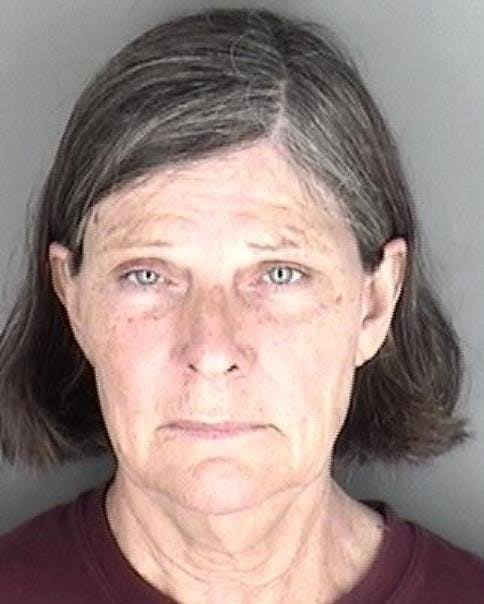
Dana Chandler is a Kansas woman whose name became synonymous with one of the state’s longest-running and most closely watched murder prosecutions. More than two decades after the 2002 shooting deaths of her former husband, Mike Sisco, and his fiancée, Karen Harkness, Chandler was convicted following her third murder trial and is now serving consecutive life sentences in prison while continuing to maintain her innocence.
The case attracted national attention because of its extraordinary legal history. Chandler was convicted once, had that conviction overturned, faced a second trial that ended with a hung jury, and then represented herself during a third trial before being convicted again. The prolonged legal battle, combined with the emotional involvement of her own children, has made the case one of the most unusual murder prosecutions in recent Kansas history.
- “My Mother’s Murder Trials”: 48 Hours Investigates the Dana Chandler Case on July 11 2026
- Who Was Mike Sisco & What Happened to Him? 2026 Update & Profile
- Who Was Karen Harkness & What Happened to Him? 2026 Update & Profile
Marriage, Divorce and Family
Dana Chandler was previously married to Mike Sisco, and the couple had two children together, Hailey Seel and Dustin Sisco. Their marriage ended in a contentious divorce that included prolonged custody disputes and ongoing conflict.
According to prosecutors and family members, the relationship between Chandler and Sisco remained strained for years after the divorce. Witnesses described repeated phone calls, unexpected visits and continuing disagreements that investigators later argued demonstrated Chandler’s inability to move on from the relationship.
The defense consistently disputed those characterizations, arguing that the prosecution exaggerated the significance of the couple’s post-divorce disputes and failed to establish any direct connection between Chandler and the murders.
Accused in the 2002 Double Murder
On July 7, 2002, Mike Sisco, 47, and his partner Karen Harkness, 53, were found shot to death inside Harkness’ home in Topeka, Kansas. Both victims had been shot multiple times with a 9mm handgun.
Investigators focused on Chandler early in the investigation because of her history with Sisco and the acrimonious divorce. Despite years of investigation, authorities never recovered the murder weapon and found no DNA, fingerprints, hair or other forensic evidence linking Chandler to the crime scene.
For nearly nine years, prosecutors declined to file charges, believing there was insufficient evidence. That changed in 2011 when a new Shawnee County district attorney reviewed the case and authorized murder charges.
Three Murder Trials
Chandler’s first trial concluded in 2012 with guilty verdicts on two counts of first-degree murder. She was sentenced to life in prison, but in 2018 the Kansas Supreme Court overturned the convictions because of prosecutorial misconduct. The court ruled that misleading statements made during the trial deprived Chandler of a fair proceeding, although it also concluded that sufficient evidence existed for another jury to convict.
A second trial was held in 2022. Prosecutors again relied largely on circumstantial evidence, arguing Chandler acted out of jealousy and resentment following years of conflict with her former husband. Defense attorneys emphasized the absence of physical evidence placing Chandler at the scene. After six days of deliberations, jurors were unable to reach a unanimous verdict, reportedly splitting seven in favor of conviction and five in favor of acquittal, resulting in a mistrial.
The third trial began in February 2025 after the venue was moved to Pottawatomie County. In one of the trial’s most remarkable developments, Chandler dismissed her attorneys immediately before opening statements and elected to represent herself. She personally questioned witnesses, cross-examined her own children and testified in her own defense for approximately 20 hours over seven days.
Her Position Throughout the Case
Throughout every stage of the investigation and prosecution, Dana Chandler has consistently denied killing Mike Sisco and Karen Harkness.
She has repeatedly stated that she was not in Kansas on the day of the murders and has denied ever owning or possessing the 9mm handgun used in the killings. Chandler has argued that prosecutors built their case on assumptions rather than evidence and has maintained that no witness or forensic evidence places her at the crime scene.
During sentencing following her third conviction, Chandler told the court:
“I have always maintained my innocence. I continue to maintain my innocence. I was not in Topeka, Kansas, on July 7. I never owned or possessed a 9-millimeter firearm. What is happening in this courtroom is a grave injustice.”
She has continued to challenge the conviction through post-trial motions and appeals.
Relationship With Her Children
One of the most emotional aspects of the case has been Chandler’s relationship with her children.
Both Hailey Seel and Dustin Sisco testified for the prosecution during multiple trials. They ultimately told jurors they believed their mother was responsible for the murders of their father and Karen Harkness.
Hailey Seel’s public comments have drawn particular attention because she has spoken openly about the difficulty of reconciling her love for her mother with the evidence presented over decades of investigations and trials. During Chandler’s sentencing, Seel urged her mother to confess if she was responsible and express remorse, but recommended the maximum sentence if she continued denying involvement.
Where Is Dana Chandler Now?
Dana Chandler is currently incarcerated in the Kansas Department of Corrections after being sentenced in June 2025.
Judge Cheryl Rios imposed two consecutive life sentences for the murders of Mike Sisco and Karen Harkness. Under Kansas law, Chandler will not be eligible for parole for 50 years, with credit applied for approximately 13 years she had already spent in custody before sentencing.
Although her third conviction concluded one of Kansas’ longest-running murder prosecutions, the legal process has not ended. Chandler continues to pursue appellate and post-conviction relief while maintaining that she was wrongfully convicted.
Her case remains one of the most significant criminal prosecutions in recent Kansas history because of its unusual combination of three jury trials, a reversed conviction, a hung jury, self-representation during a capital-level murder trial and a prosecution built almost entirely on circumstantial evidence.
More “My Mother’s Murder Trials”
- “My Mother’s Murder Trials”: 48 Hours Investigates the Dana Chandler Case on July 11 2026
- Who Is Dana Chandler & Where Is She Now? 2026 Update & Profile
- Who Was Mike Sisco & What Happened to Him? 2026 Update & Profile
- Who Was Karen Harkness & What Happened to Him? 2026 Update & Profile
More Feature Articles
- “The Bluegrass Mystery”: Dateline NBC Reports on Ella Jackson Homicide July 10 2026
- “House of Cards”: 20/20 Reports on Angel Goyena & Vonda Goyena Homicides July 10 2026
- “Chameleon”: Dateline NBC Examines the Two Missing Wives of Convicted Killer John Smith July 11 2026
- “My Mother’s Murder Trials”: 48 Hours Investigates the Dana Chandler Case on July 11 2026
- 60 Minutes Reports on “The Vatican’s Orphans”, “Sealand” & “Christopher Nolan” on July 12 2026