


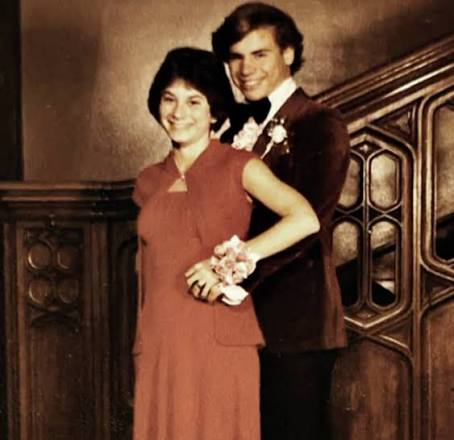
Steven John Burns is the California man convicted of murdering his former high school girlfriend, Catina Rose Salarno, in 1979 after she ended their relationship and began college at the University of the Pacific. Once considered part of the Salarno family, Burns’ crime became one of California’s most closely watched murder cases and led to decades of legal battles over his repeated attempts to obtain parole.
Now in his 60s, Burns remains incarcerated after serving more than four decades in prison. His case continues to draw attention because of the long-running fight between parole advocates who believe he has been rehabilitated and Catina’s family, who argue he still poses a danger to the public.
- “The Boy Across the Street”: 48 Hours Investigates the Catina Salarno Murder Homicide on July 25 2026
- Who Was Catina Salarno & What Happened to Her? 2026 Update & Profile
A Trusted Family Friend
Steven Burns grew up in San Francisco and became close to the Salarno family after the Burns family moved into the house directly across the street when he was a teenager.
Burns attended an all-boys Catholic high school, where he was a standout athlete and captain of the football team. He began dating Catina Salarno while they were in high school, and the relationship appeared serious. Catina’s father, Mike Salarno, took Burns under his wing, mentoring him and giving him a job delivering televisions for his business. Burns was treated much like another son, while Catina’s younger sisters viewed him as an older brother.
As Catina prepared to leave for college, she decided to end the relationship. According to members of the Salarno family, Burns struggled to accept the breakup and threatened to kill her if she left him. Those threats were not reported to Catina’s parents at the time because her sisters believed he was simply speaking out of anger.
The Murder of Catina Salarno
In September 1979, Burns unexpectedly enrolled at the University of the Pacific, the same school Catina had just begun attending as a freshman. His appearance on campus alarmed Catina, who asked her father to intervene. Mike Salarno spoke with Burns and urged him to leave his daughter alone.
On the evening of September 4, 1979, Burns visited Catina’s dormitory and asked her to meet him one final time. She agreed, believing it would be their last conversation.
Later that night, Catina was found in a remote area of campus with a gunshot wound to the back of her head. She died shortly after being transported to hospital.
Investigators later determined Burns had stolen a revolver from Mike Salarno’s television business weeks before the murder. Prosecutors argued he had planned the killing after refusing to accept the end of the relationship.
Trial and Conviction
Burns was arrested two days after the murder and charged with killing Catina.
At trial, prosecutors argued that Burns followed Catina to college and deliberately arranged a final meeting before shooting her. They presented evidence of his earlier threats, his theft of the firearm and his refusal to accept the breakup.
The jury convicted Burns of second-degree murder rather than first-degree murder. He was sentenced to 17 years to life in prison, making him eligible for parole after serving the minimum portion of his sentence.
The conviction did not end the case for Catina’s family. Instead, it marked the beginning of decades of parole hearings.
Changing Accounts of the Crime
One issue that has repeatedly surfaced during Burns’ parole hearings is the evolving nature of his explanation for the murder.
According to San Joaquin County Deputy District Attorney Robert Himelblau, Burns gave multiple versions of what happened over the years. At various times, he claimed Catina had possessed the gun herself or that the weapon discharged during a struggle.
In 2016, Burns acknowledged that he became angry, pulled out a gun and shot Catina. However, he continued to deny that he planned the murder beforehand or had stalked her to the university intending to kill her if she rejected him.
Parole commissioners have repeatedly questioned whether Burns has fully accepted responsibility for his actions, citing what they described as continued minimization of the circumstances surrounding the murder.
Rehabilitation in Prison
During more than four decades in prison, Burns completed numerous rehabilitation programs and educational courses.
He earned a college degree, participated in anger management and self-help programs, and worked with hospice patients inside prison. Former inmate Kevin Anderson, who later became a counselor after his own release, publicly supported Burns during recent parole proceedings.
Anderson told 48 Hours that Burns appeared to have developed insight into the crime and had expressed remorse, describing how Burns admitted he “lost it” after Catina rejected him. Anderson believed Burns had acquired the tools needed to live safely outside prison.
Others disagreed. Prosecutors and members of the Salarno family argued Burns continued to demonstrate the controlling behaviors that led to the murder. They also pointed to allegations raised during parole proceedings involving his interactions with a female prison instructor, suggesting he remained manipulative and obsessive.
Where Is Steven Burns Now?
As of 2026, Steven Burns remains incarcerated in the California Department of Corrections and Rehabilitation after serving approximately 46 years in prison.
In January 2025, Burns appeared before the California Board of Parole Hearings for the 13th time. Commissioners concluded he remained unsuitable for release, finding that he continued to minimize important aspects of the murder and had not shown sufficient change in the behaviors that led to Catina Salarno’s death.
The parole board denied his release and imposed a five-year denial, meaning Burns is expected to become eligible for another parole hearing in 2030, unless there is a legal change affecting the schedule.
A Case That Continues to Divide Opinion
Steven Burns’ case reflects the broader debate surrounding rehabilitation and parole for people serving life sentences.
Supporters argue that after more than four decades in prison, completion of rehabilitation programs and advancing age, Burns deserves the opportunity to demonstrate he has changed. They point to research showing that older life-term prisoners generally have low rates of violent reoffending.
Catina Salarno’s family and prosecutors maintain that Burns has never fully accepted responsibility for planning the murder and continues to display the same attitudes that led to the crime. They have attended every parole hearing since 1990, arguing that public safety and justice for Catina require Burns to remain imprisoned.
For now, the California Board of Parole Hearings has agreed with that position, leaving Burns in prison while his next opportunity for parole is expected to come in 2030.
More “The Boy Across the Street”
- “The Boy Across the Street”: 48 Hours Investigates the Catina Salarno Murder Homicide on July 25 2026
- Who Was Catina Salarno & What Happened to Her? 2026 Update & Profile
- Who Is Steven Burns & Where Is He Now? 2026 Update & Profile
More Feature Articles
- “First Comes Love, Then Comes Murder”: 20/20 Reports on Leslie Preer Homicide July 24 2026
- “The Mushroom Mystery”: Dateline NBC Reports on David Fouts Homicide July 24 2026
- “A Promise to Gloria”: Dateline NBC Reports on Gloria Pointer Homicide July 25 2026
- “Justine’s Voice”: 48 Hours Reports on Justine Vanderschoot Homicide on July 25 2026
- “The Boy Across the Street”: 48 Hours Investigates the Catina Salarno Murder Homicide on July 25 2026