
Who Was Mary Kay Heese & What Happened to Her? 2026 Update & Background
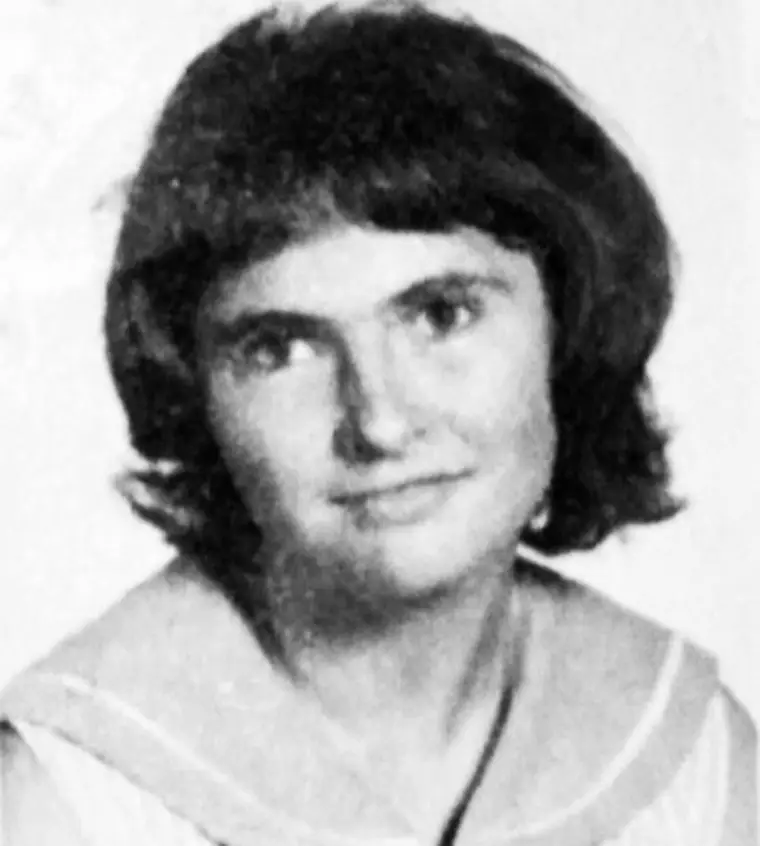
Mary Kay Heese was a 17-year-old junior at Wahoo High School in Nebraska in 1969. She was known to be a kind, bright, and well-liked student. Those who knew her described her as cautious and responsible, someone who wouldn’t typically take risks or trust strangers easily. She participated in track and had plans for her future like any other teenager her age.
On the afternoon of March 25, 1969, Mary Kay was last seen at a local café having hot chocolate after track practice. Later that evening, she was spotted walking alone on a tree-lined street near 12th and Linden in Wahoo—just six blocks from her home. That would be the last time anyone saw her alive. Her parents reported her missing that night.
In the early morning hours of March 26, Mary Kay’s body was discovered in a roadside ditch just south of Wahoo. She had been stabbed multiple times. It was clear she had tried to escape her attacker—investigators found evidence suggesting she fled a car and was chased down before the fatal assault. Her murder shocked the small town and devastated her family. At the time, police pursued hundreds of leads, but no arrest was made, and the case eventually went cold.
- “The Girl from Wahoo”: 48 Hours Reports on Mary Kay Heese Homicide February 14 2026
- Who Is Joseph Ambroz & Where Is He Now? 2026 Update & Background
The Long Road to Justice
For more than five decades, Mary Kay’s family held onto hope. Her parents passed away without answers, but her cousins, including Mark Miller and Kathy Tull, refused to let the case be forgotten. They stayed in contact with law enforcement, created a tip line, and pushed for the case to be reopened.
In 2024, a breakthrough came. Investigators exhumed Mary Kay’s body and re-examined evidence using modern forensic tools. The renewed efforts led to the arrest of 77-year-old Joseph Ambroz in Oklahoma. He was extradited to Nebraska and initially charged with first-degree murder. Authorities believed he had picked Mary Kay up that night and was directly involved in her death.
In 2025, Ambroz entered a plea of “no contest” to a reduced charge of conspiracy to commit first-degree murder. He was sentenced to two years in prison—the maximum sentence allowed under Nebraska law in 1969 for that charge. With credit for time served, Ambroz could be released within months.
Mary Kay’s family expressed anger and heartbreak at the outcome. They were not consulted on the plea deal and felt it denied them true justice. Ambroz never spoke publicly about what happened that night, and no additional suspects were formally charged. For Mary Kay’s loved ones, many questions remain unanswered.
Though the legal case may be over, Mary Kay Heese is remembered as more than a victim of a cold case. She was a daughter, cousin, friend, and young woman with promise. Her life was stolen, but her memory continues to push forward the pursuit of justice and accountability, even when delayed by decades.
More “The Girl from Wahoo”
- “The Girl from Wahoo”: 48 Hours Reports on Mary Kay Heese Homicide February 14 2026
- Who Was Mary Kay Heese & What Happened to Her? 2026 Update & Background
- Who Is Joseph Ambroz & Where Is He Now? 2026 Update & Background
More Feature Articles
- “Footprints in the Snow”: 20/20 Reports on Ashley Schwalm Homicide February 13 2026
- Dateline NBC Pre-Empted February 13 2026 for Winter Olympics Coverage
- “The Girl from Wahoo”: 48 Hours Reports on Mary Kay Heese Homicide February 14 2026
- 60 Minutes Reports on “Generally Recognized as Safe” & “Youngest Survivors” on February 15 2026