
Who Is Dennis Halstead & Where Is He Now? 2026 Update & Profile
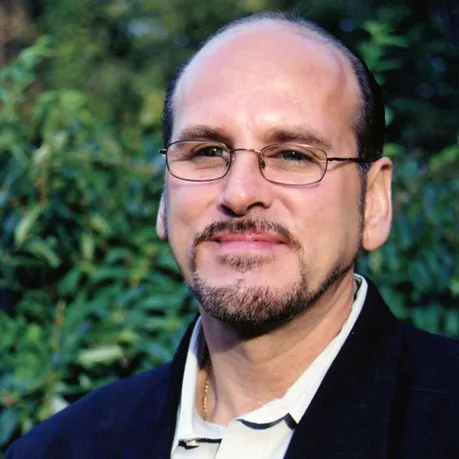
Dennis Halstead was one of three men convicted in the 1984 rape and murder of 16-year-old Theresa Fusco, a case that later became a clear example of wrongful conviction shaped by flawed evidence and investigative pressure. At the time of the investigation, Halstead came under suspicion due to perceived associations within the local community, particularly as police explored possible links between multiple disappearances of young women.
Halstead had no prior criminal record and maintained his innocence from the beginning. Despite this, he became part of a prosecution theory that placed him alongside John Kogut and John Restivo as participants in a coordinated abduction and हत्या. That theory would later collapse under scientific scrutiny.
- “The Killing of Theresa Fusco”: 48 Hours Reports April 25 2026
- Who Was Theresa Fusco & What Happened to Her? 2026 Update & Profile
- Who Is Richard Bilodeau & Where Is He Now? 2026 Update & Profile
- Who Is John Kogut & Where Is He Now? 2026 Update & Profile
- Who Is John Restivo & Where Is He Now? 2026 Update & Profile
The Case Built Against Him
The prosecution’s case against Halstead relied heavily on a confession given by John Kogut after prolonged interrogation. In that statement, Kogut implicated Halstead and Restivo, alleging that all three men were involved in the assault and murder.
In addition to the confession, prosecutors introduced forensic evidence they claimed linked the crime to Restivo’s van, including hair samples said to match the victim. Witness testimony from informants also played a role, with individuals claiming that Halstead had made incriminating statements.
Halstead denied all allegations and presented a defense that challenged both the credibility of the confession and the reliability of the forensic analysis. Despite these arguments, the case proceeded to trial with the confession as its central pillar.
Trial and Conviction
In 1986, Dennis Halstead and John Restivo were tried together and convicted of rape and murder. The prosecution argued that the combination of Kogut’s confession, physical evidence, and witness testimony established guilt beyond a reasonable doubt.
Halstead was sentenced to more than 33 years to life in prison. Like his co-defendants, he entered the prison system maintaining that he had no involvement in the crime. The conviction stood for years, even as questions about the evidence began to surface.
DNA Evidence and Forensic Reassessment
The case shifted dramatically with the development of modern DNA testing. Biological evidence collected from Theresa Fusco’s body was analyzed and did not match Halstead or the other two men. Repeated testing produced the same result, indicating the presence of DNA from an unknown individual .
Further examination of the hair evidence also undermined the prosecution’s case. Experts determined that the hairs found in the van showed signs of post-mortem banding, a condition that occurs after death and indicates the hair remained attached to a decomposing body. This finding suggested the hairs could not have been left in the van during the crime, contradicting a key argument made at trial .
Release and Exoneration
In June 2003, Halstead’s conviction was vacated, and he was released after serving approximately 19 years in prison . The legal process continued as prosecutors pursued a retrial of John Kogut, which they viewed as central to their case.
When Kogut was found not guilty in December 2005, the prosecution acknowledged that it could not prove the case against Halstead or Restivo beyond a reasonable doubt. All remaining charges were dismissed, and Halstead was fully exonerated.
Life After Prison
Following his release, Dennis Halstead faced the task of rebuilding his life after nearly two decades of incarceration. Like many individuals who have been wrongfully convicted, he had to adjust to a world that had changed significantly during his time in prison.
Halstead pursued legal action alongside John Restivo against Nassau County, alleging misconduct in the investigation and prosecution. A federal jury awarded them $18 million in damages, recognizing the years lost to a conviction that was later overturned .
Where Dennis Halstead Is Now
After his exoneration, Dennis Halstead relocated to Florida to be closer to family, including his son . Public updates on his current life remain limited, reflecting a preference for privacy following years of public scrutiny.
His case remains part of broader discussions about wrongful convictions in the United States, particularly those involving coerced confessions and flawed forensic evidence. Dennis Halstead’s experience reflects the long-term consequences of a case that took decades to correct, and the lasting impact on those who were once held responsible for a crime they did not commit.
More “The Killing of Theresa Fusco”
- “The Killing of Theresa Fusco”: 48 Hours Reports April 25 2026
- Who Was Theresa Fusco & What Happened to Her? 2026 Update & Profile
- Who Is Richard Bilodeau & Where Is He Now? 2026 Update & Profile
- Who Is John Kogut & Where Is He Now? 2026 Update & Profile
- Who Is John Restivo & Where Is He Now? 2026 Update & Profile
- Who Is Dennis Halstead & Where Is He Now? 2026 Update & Profile
More Feature Articles
- “Book of Lies”: Dateline Reports on Kouri Richins Case April 24 2026
- 20/20 Pre-Empted April 24 2026 for NFL Draft Coverage on ABC
- “Down the Rabbit Hole”: Dateline Reports on Mary Ann Murphy Homicide April 25 2026
- “The Killing of Theresa Fusco”: 48 Hours Reports April 25 2026
- 60 Minutes Reports on “Ben Sasse” & “The Pigeon Mafia” on April 26 2026